Back to Blog
Operations•8 min read
Case Library Workflow Guide for Benefits Brokers (2026)
A strong case library is the difference between controlled growth and operational chaos. This guide shows how to structure, version, and retrieve proposals so renewals move faster with less rework.
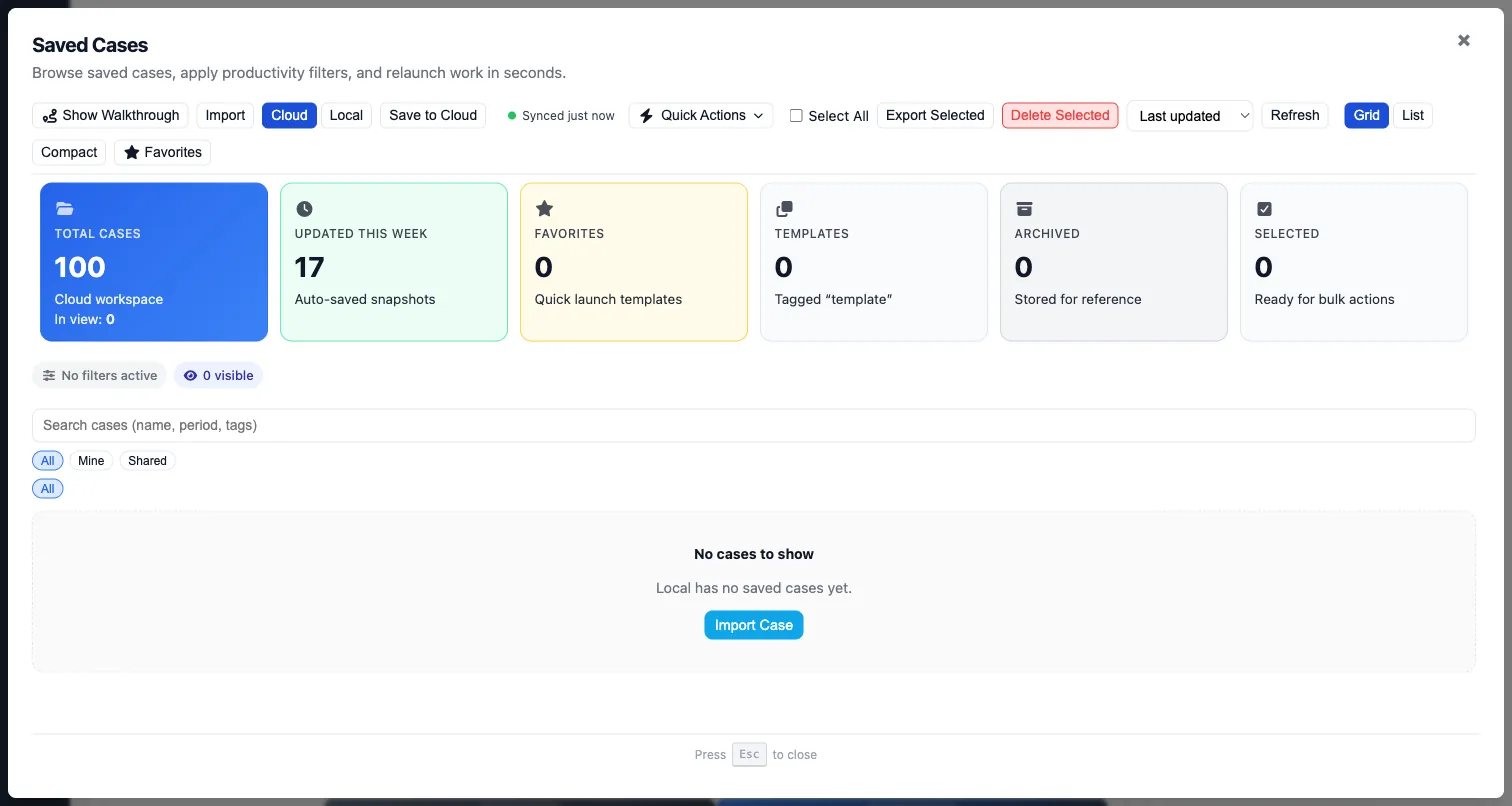
What a Case Library Should Solve
- Find prior renewal logic quickly without searching old email threads
- Preserve proposal history so revisions are traceable
- Reuse winning plan configurations across similar groups
- Reduce mistakes when multiple brokers or analysts touch the same account
Baseline Structure for Every Case
At minimum, every case should include:
- Client profile and renewal window
- Current-state plan and contribution baseline
- Carrier quote set and parsing status
- Scenario set with decision notes
- Export package and final recommendation
Naming Standards That Scale
Human-readable names prevent duplicate work and speed up filtering. Use a predictable pattern with client, cycle, and scenario intent.
Example naming pattern
Acme_Renewal_2026Q3_Baseline
Acme_Renewal_2026Q3_AltA_BudgetCap
Acme_Renewal_2026Q3_AltB_EmployeeRelief
Versioning Rules for Teams
- Create a version at every client-facing milestone
- Keep one locked baseline per renewal cycle
- Use short change notes: what changed and why
- Avoid overwriting prior recommendations unless compliance requires it
Fast Retrieval Playbook
When a client asks for a revision, retrieve in this order:
- Latest approved baseline
- Most recent alternative scenario used in presentation
- Underlying quote/invoice documents for rate validation
- Export artifact used in the last client meeting
Result You Should Expect
Teams that standardize their case library workflow typically cut revision turnaround from days to hours and reduce avoidable version errors during renewal season.
Build a Searchable, Reusable Case System
Use BART Case Library to keep renewal artifacts, scenarios, and exports organized in one place.